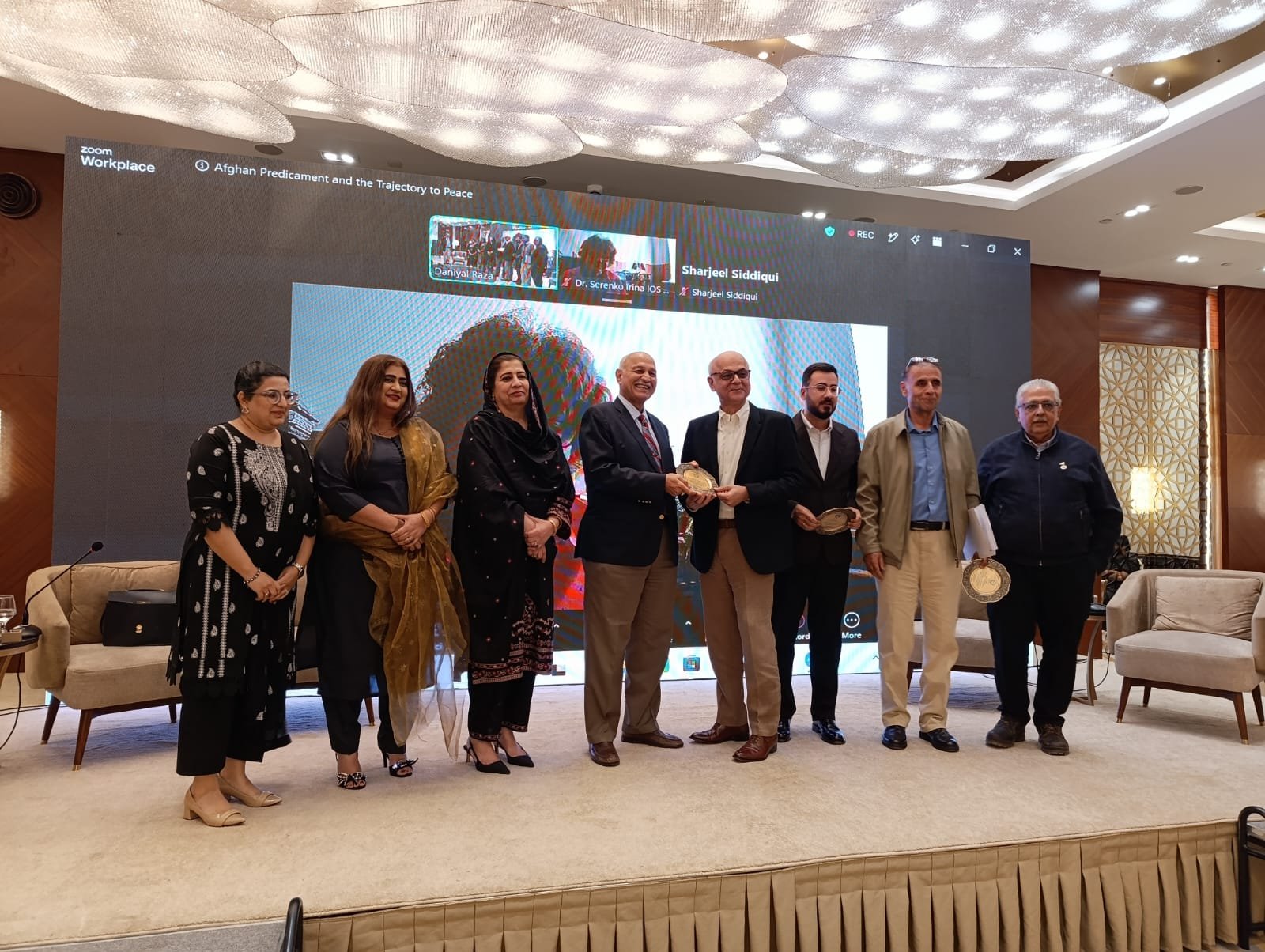
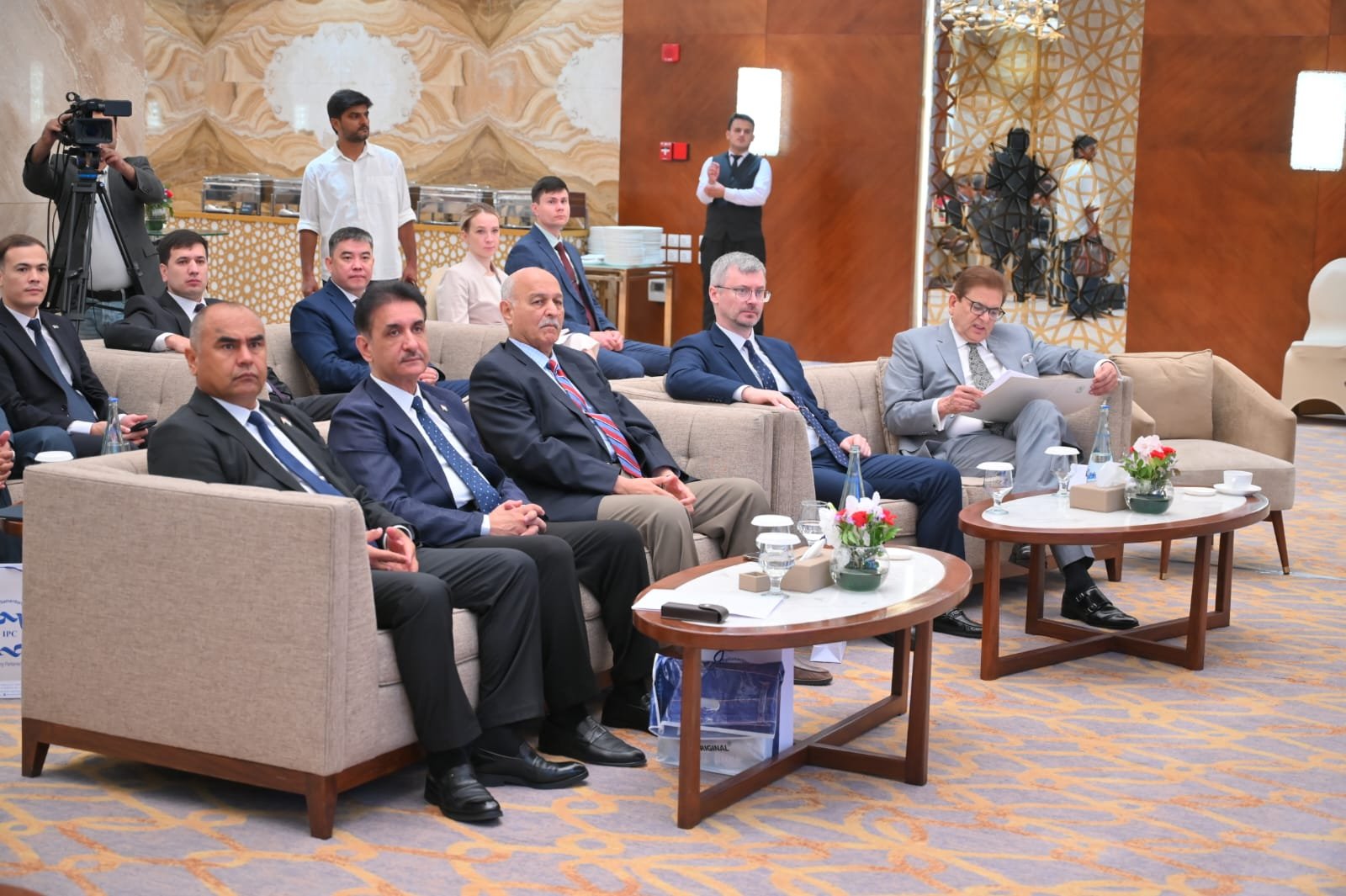
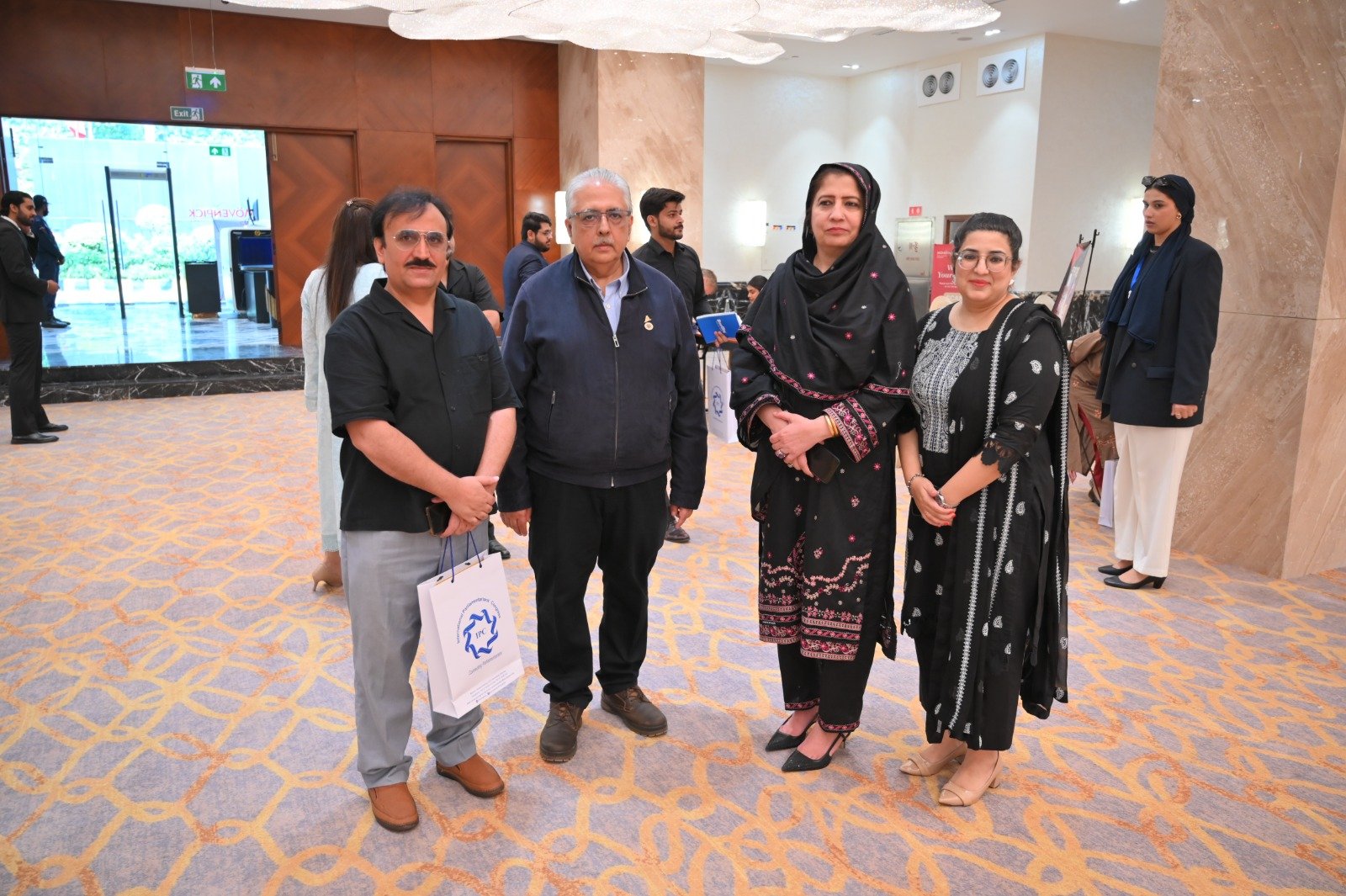
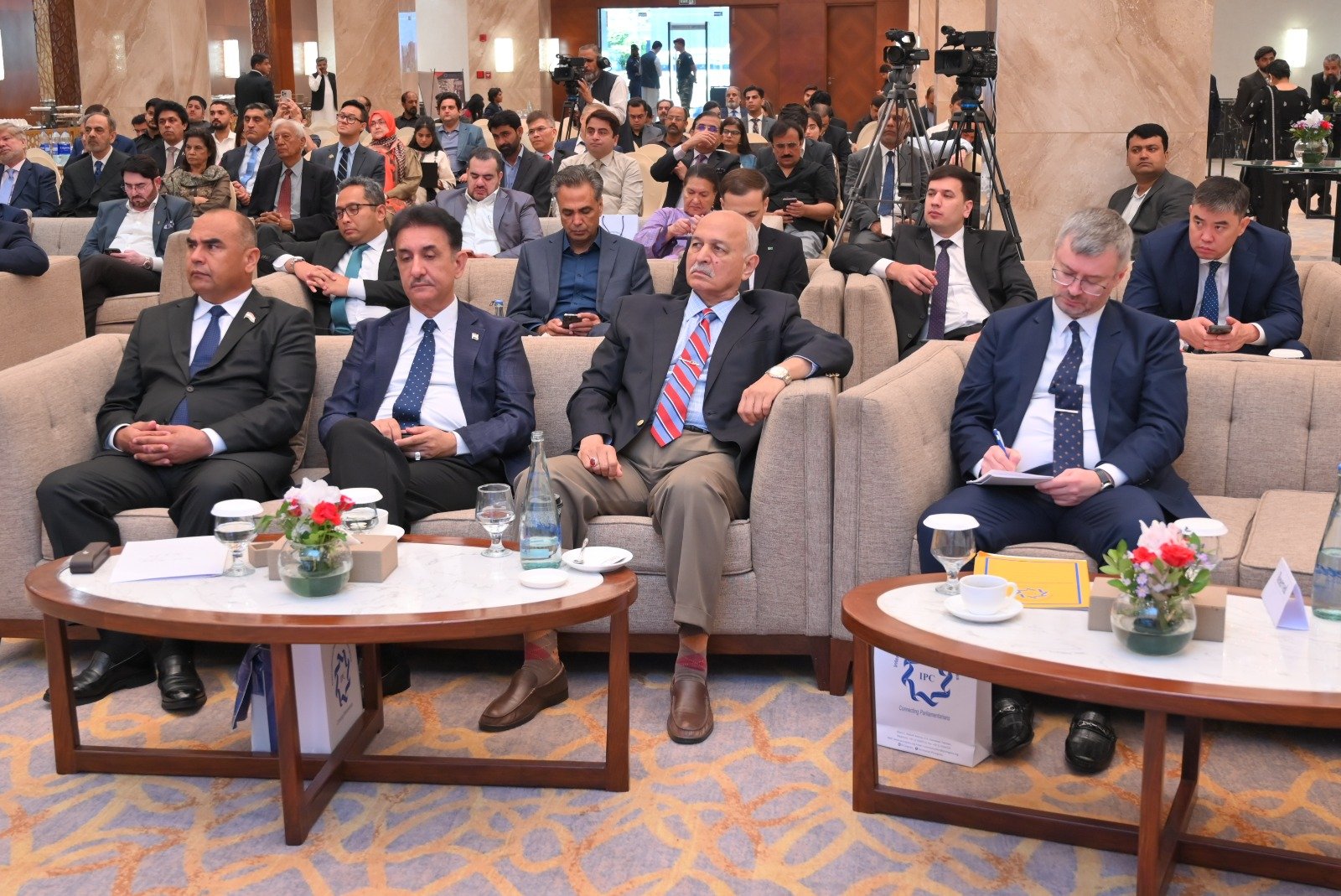
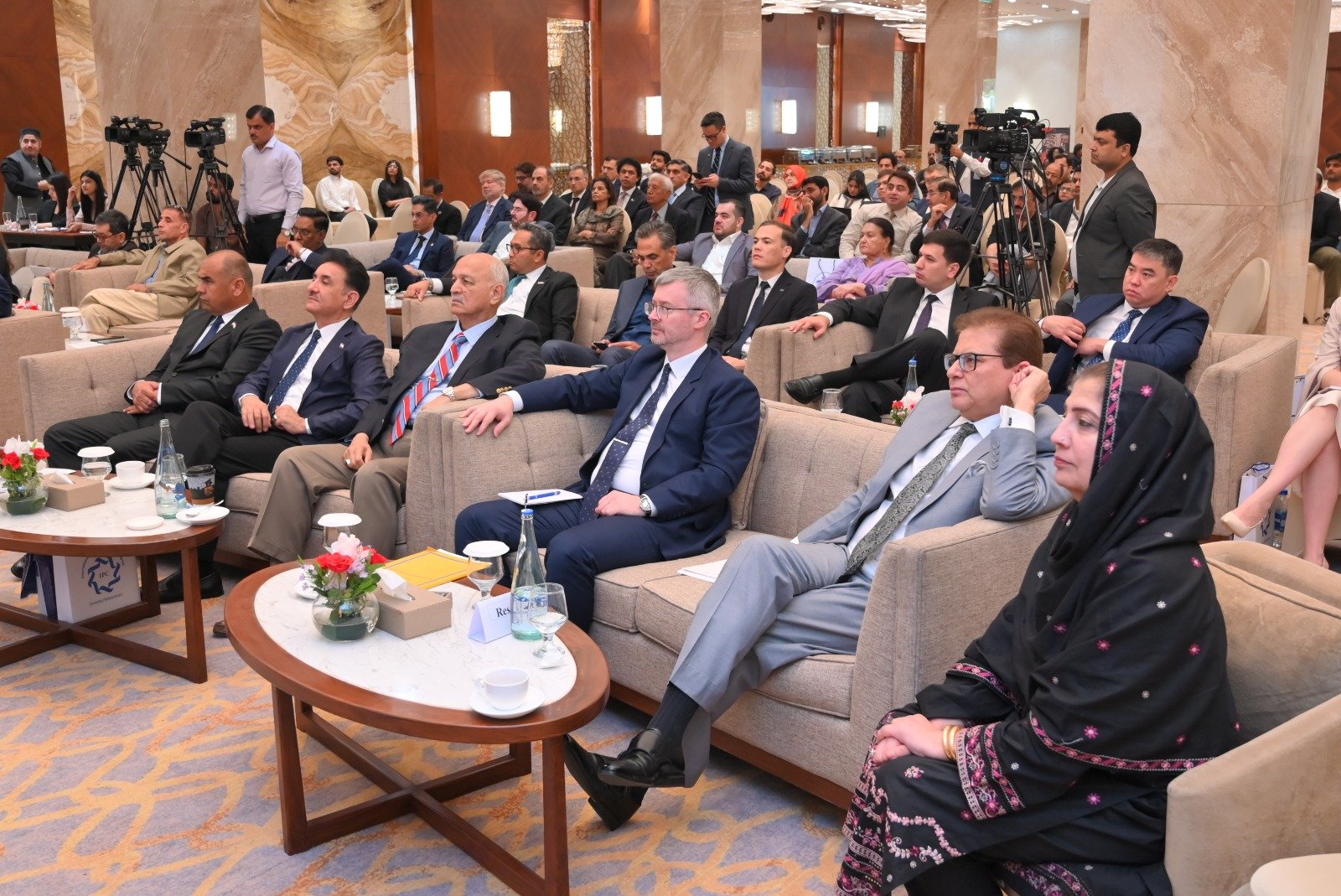
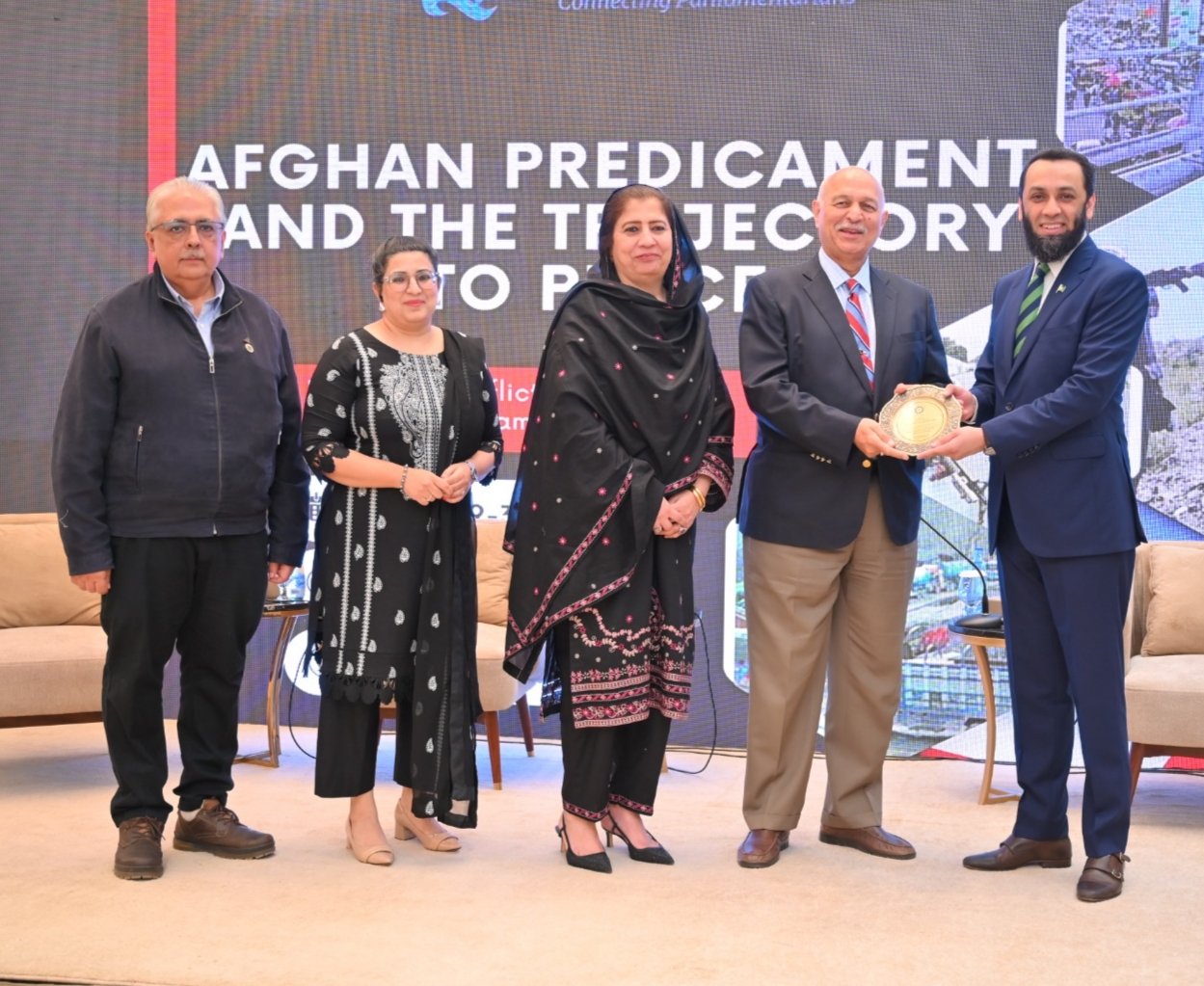
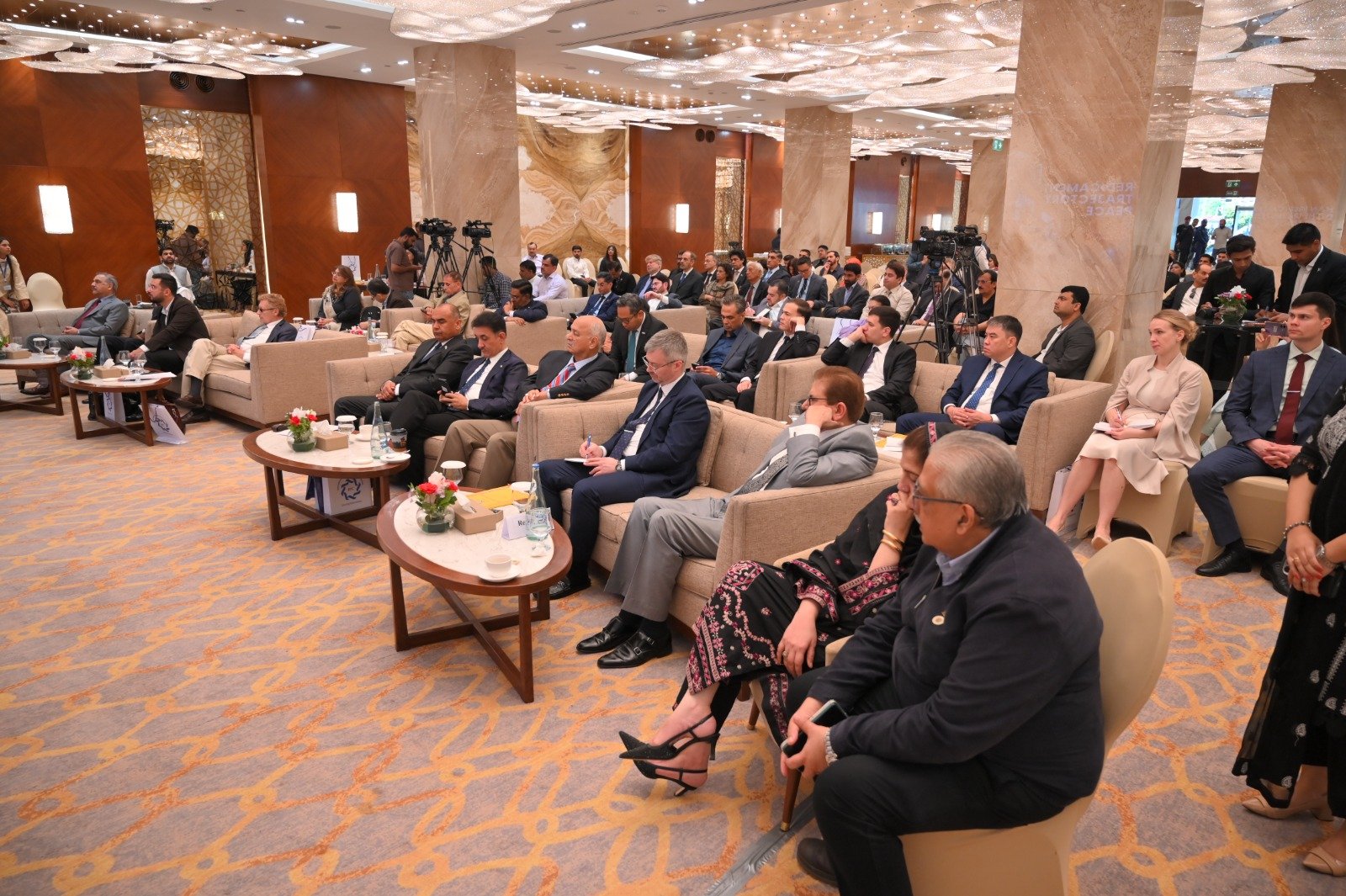
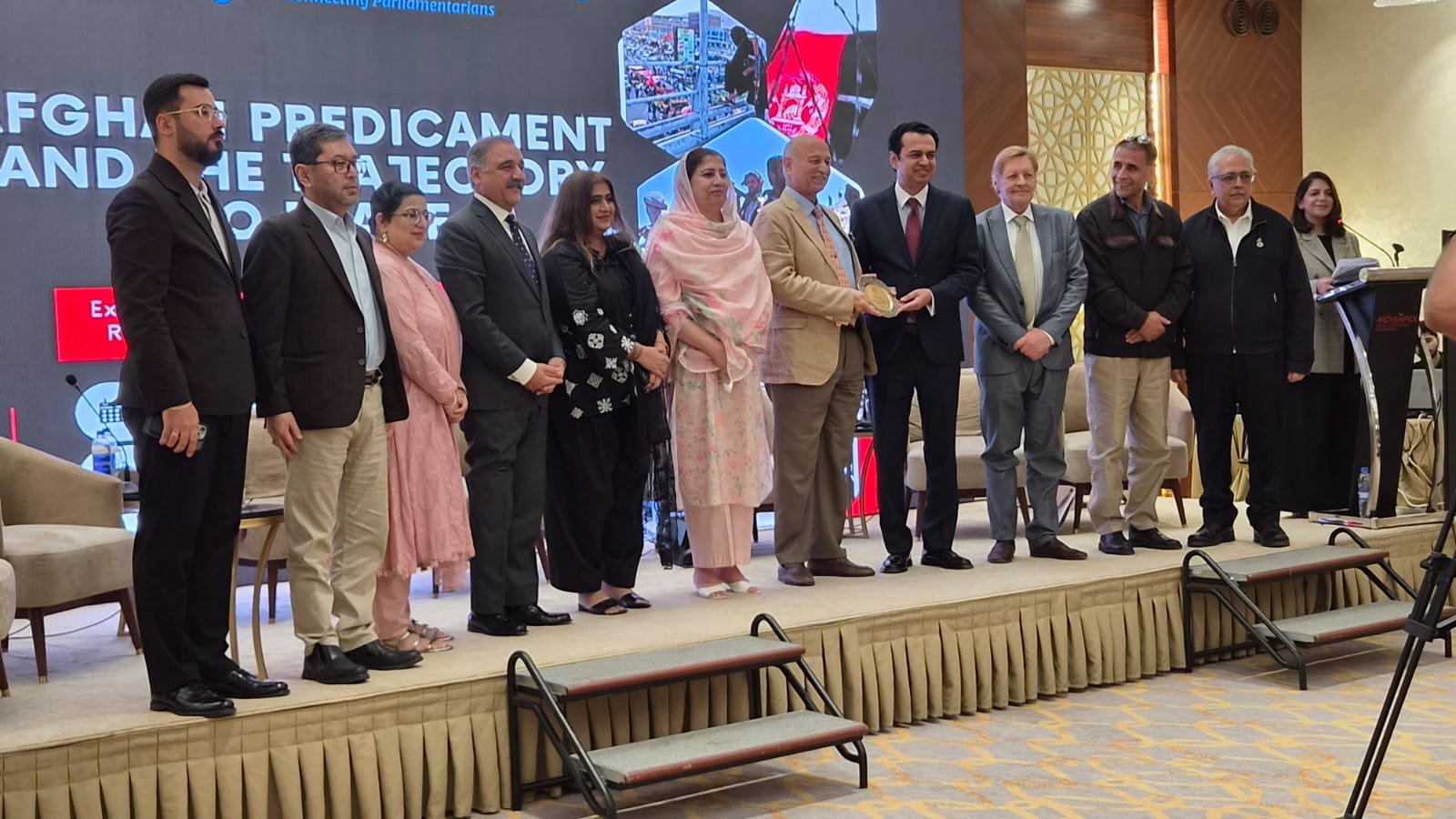
Islamabad, 30 September 2026: The International Parliamentarians’ Congress (IPC) successfully concluded its two-day international conference, “Afghan Predicament and the Trajectory to Peace,” held on 29–30 September 2026 in Islamabad, bringing together international and national stakeholders, policymakers, diplomats, international experts, academics and representatives of international organizations.
The conference provided a platform for an extensive exchange of views on Afghanistan’s political, security, humanitarian and socio-economic situation, as well as its implications for regional peace, stability, connectivity and development. Participants examined the challenges facing Afghanistan and the wider region and discussed possible pathways towards a more peaceful, stable and inclusive future.
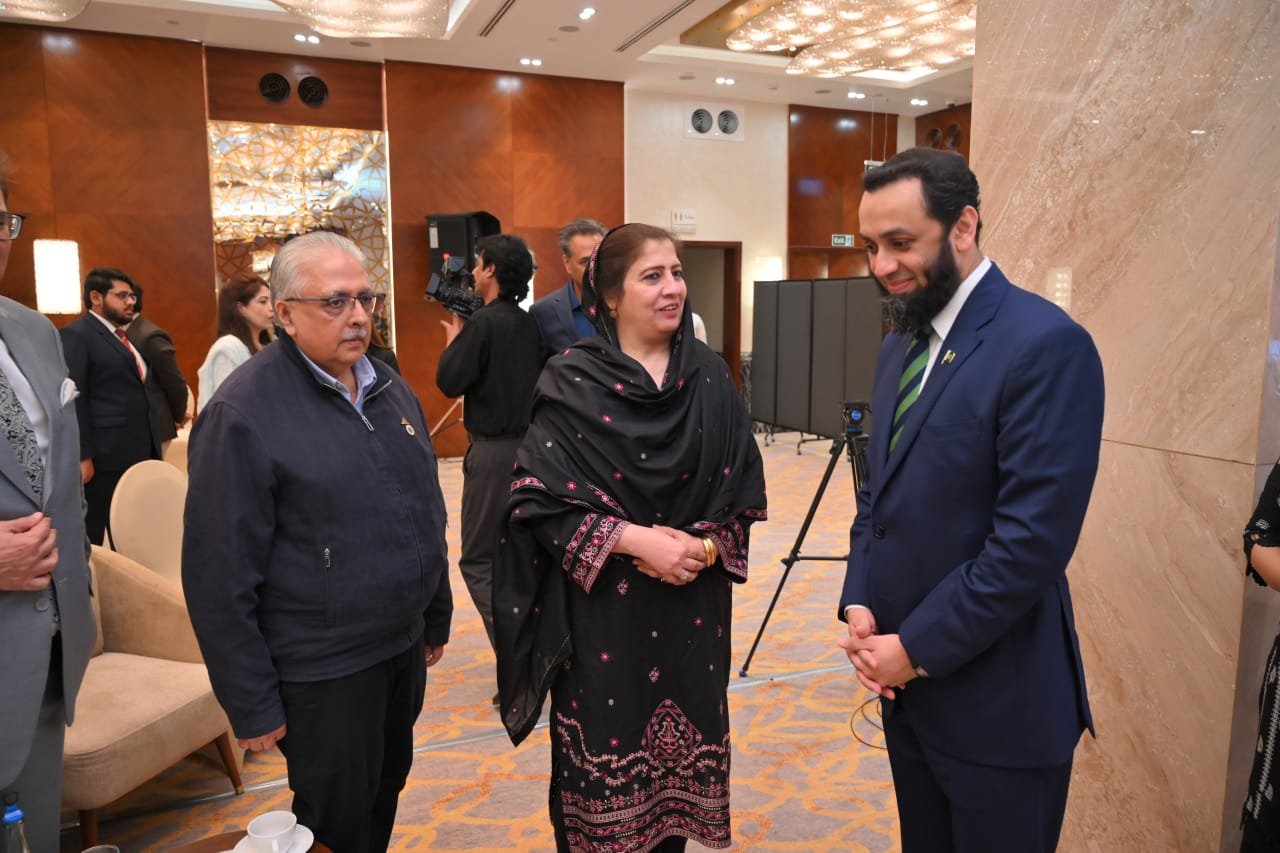
The opening session was attended by Mr. Attaullah Tarar, Federal Minister for Information and Broadcasting, as Chief Guest. In his address, the Minister reaffirmed Pakistan’s stated commitment to peace and peaceful coexistence while emphasizing the importance of addressing security concerns, ensuring the rights of the Afghan people and creating conditions conducive to regional economic cooperation and connectivity.
The conference featured distinguished speakers and experts from Afghanistan, Russia, China, Tajikistan and Pakistan, including Mr. Amanullah Paiman, Former Member of Parliament, Badakhshan, Afghanistan; Dr. Abbas Juma, International Journalist and Publicist, Moscow; Dr. Vladimir I. Sotnikov, Political Scientist and Specialist in Eastern Studies, Russia; Mr. Bakhtiyor Ahmadzoda, Head of the Inter-Parliamentary Friendship and Cooperation Group, Parliament of Tajikistan; Major General Zahid Mehmood, Defence Analyst; Dr. Maria Sultan; Mr. Salman Javed; Mr. Mohammad Tahir Zuhair, Former Governor of Bamiyan, Afghanistan; and Prof. Li Xiguang, Director at Tsinghua University, China.
The conference also witnessed the participation of members of the diplomatic corps, including Ambassadors and representatives from Russia, Mauritius, Tajikistan and Kazakhstan, as well as diplomatic representatives from Uzbekistan, Turkmenistan, the United Kingdom, USA and other countries. Representatives of the International Organization for Migration (IOM) and other United Nations entities, along with academics, subject experts, civil society representatives and other stakeholders, also participated in the deliberations.
The diverse participation reflected the regional and international dimensions and provided an opportunity for perspectives from neighbouring states, regional powers and the wider international community to be brought together in Islamabad.
During the two-day proceedings, participants discussed the relationship between internal political stability and regional peace, the need for an inclusive political framework in Afghanistan and transnational security concerns, the humanitarian and human rights situation, women’s participation, education, international engagement, economic development and regional connectivity.
The closing session was attended by Mr. Talal Chaudhry, Minister of State for Interior and Narcotics Control, who addressed the participants and highlighted the importance of regional peace, security and coordinated efforts to address challenges emanating from Afghanistan.
At the conclusion of the conference, participants adopted the Islamabad Declaration 2026, setting out key observations and recommendations emerging from the two days of deliberations.
IPC reaffirmed its commitment to providing a platform for parliamentary diplomacy, dialogue and international cooperation on issues affecting peace, security, development and regional stability. Through the conference, IPC sought to facilitate informed discussion among policymakers, diplomats, experts, international organizations and other stakeholders on the Afghan situation and its wider regional implications.